
Not everyone talks with their neighbours these days, although occasionally someone will bring the conversation to you. Annibal was like that. He liked to talk and he was interested in people. He was always ready to get into a conversation whenever you bumped in to him. He loved nature and would talk about his garden and the birds which visited his feeders, from there the chat may go in any direction, politics, religion, and of course, art.
He was popular in the street; everyone knew him and yet I didn’t really learn of his backstory until he died earlier this year just under 90.
He was born in a small village in the Algarve called Boliqueime in 1935. You can rent a holiday villa there now but, in those days, it was very much a backwater. Annibal led what might seem to us to be an idyllic childhood. He was often free to explore the surrounding countryside, he would help his carpenter father, Antonio, maybe drive the van (aged 14) or hang out with the local fishermen. You can see where the ‘hands on’ skills which would inform his mature art originated. He sometimes said ‘we were poor but rich’.
He moved to the UK in 1959, Partly in pursuit of Clare who became his wife with whom he had two children, Tinho and Catherine.
He worked as a graphic designer in Portsmouth and London and, for family reasons, settled for his final years in Liverpool, alongside, Catherine, Tinho – now married to Kate and, Annibal’s beloved granddaughter, Pippa.
Throughout this time, he continued to work on his art. Anibal had studied art at Hornsey College in the late 50s and his sketchbooks reflect the clash of old and new which was happening in the arts at the time. There are bold drawings with fluid marks yet underpinned with the sharp eye of the illustrator alongside these there is experimental work in pared down minimalism.
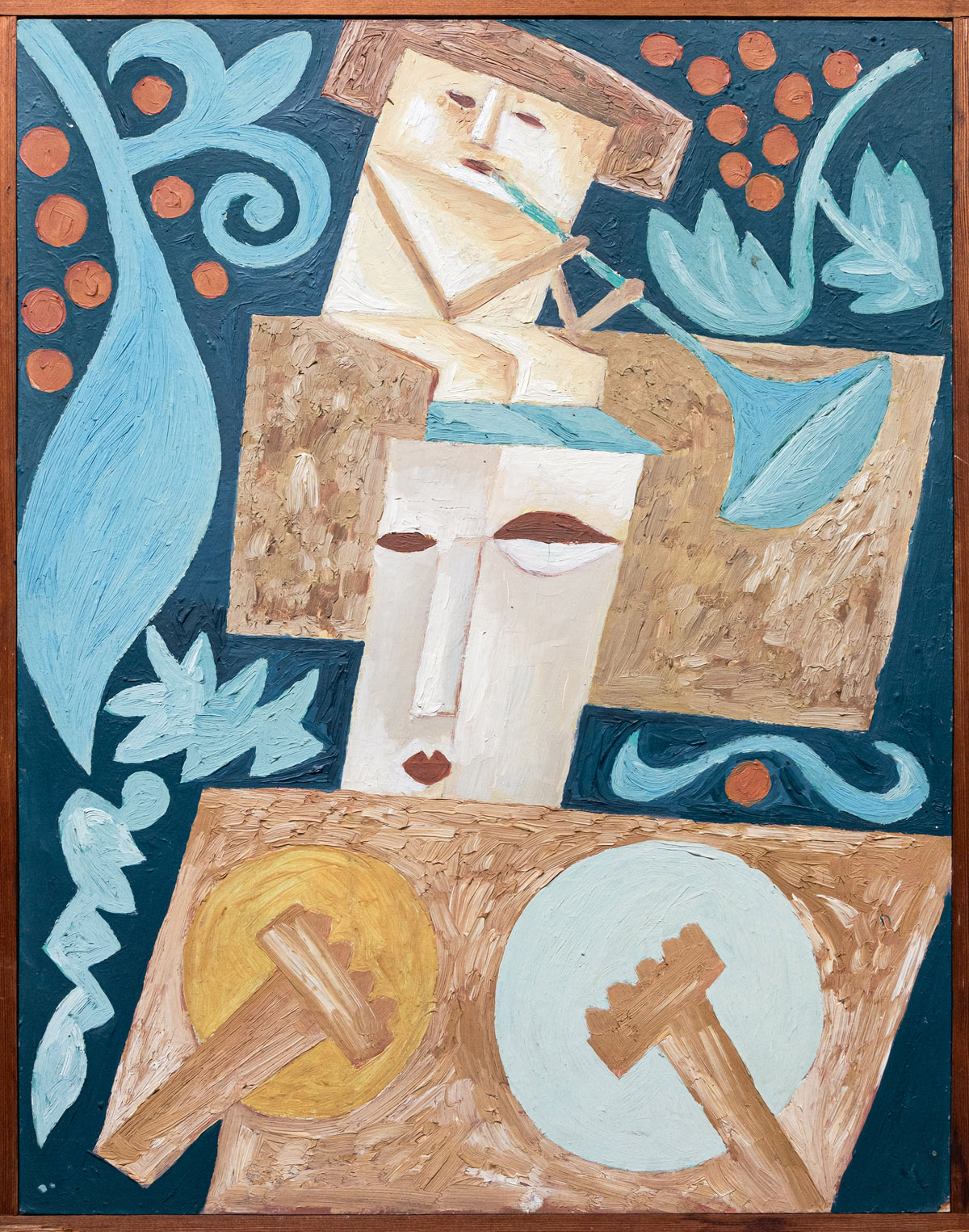
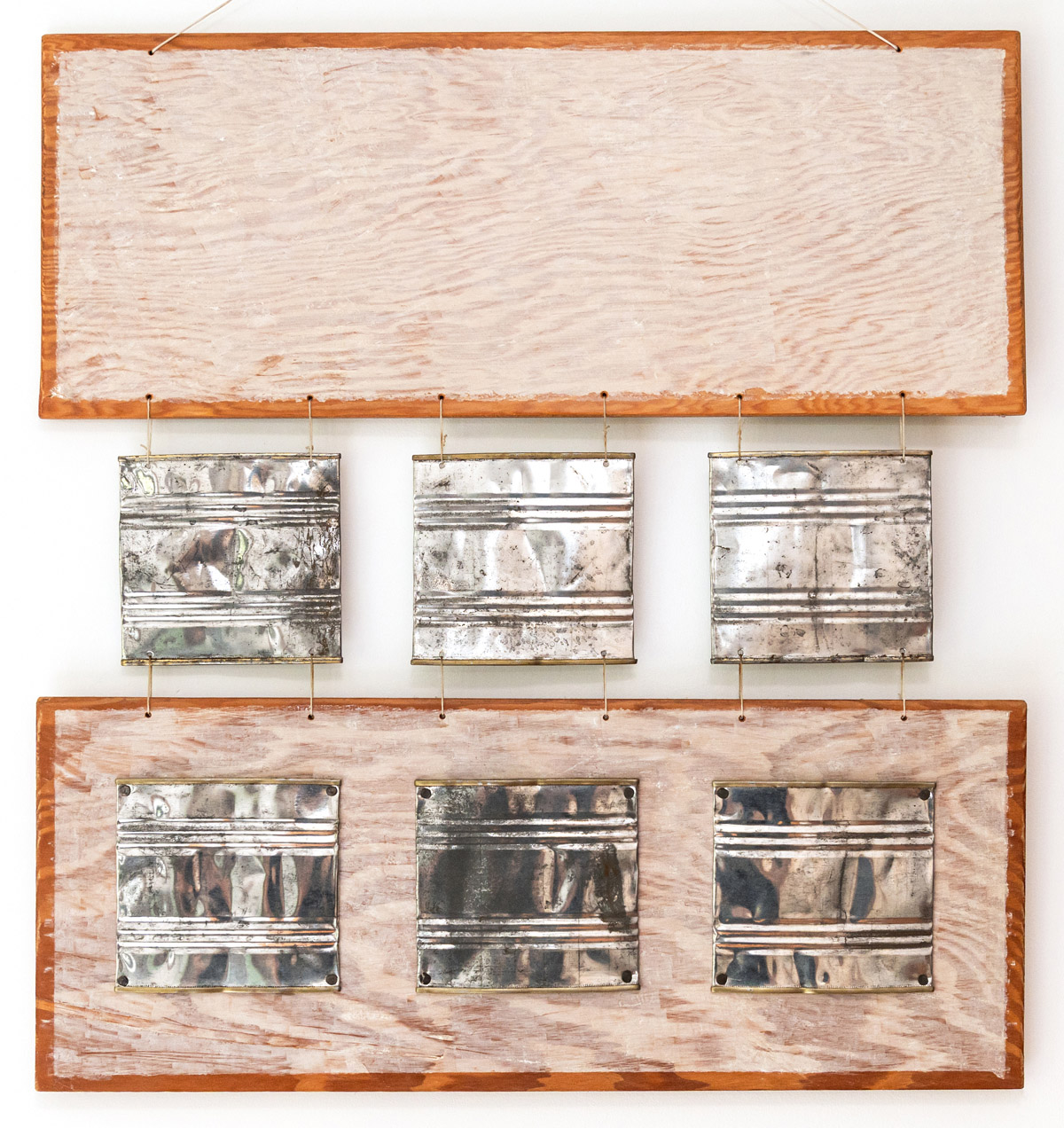
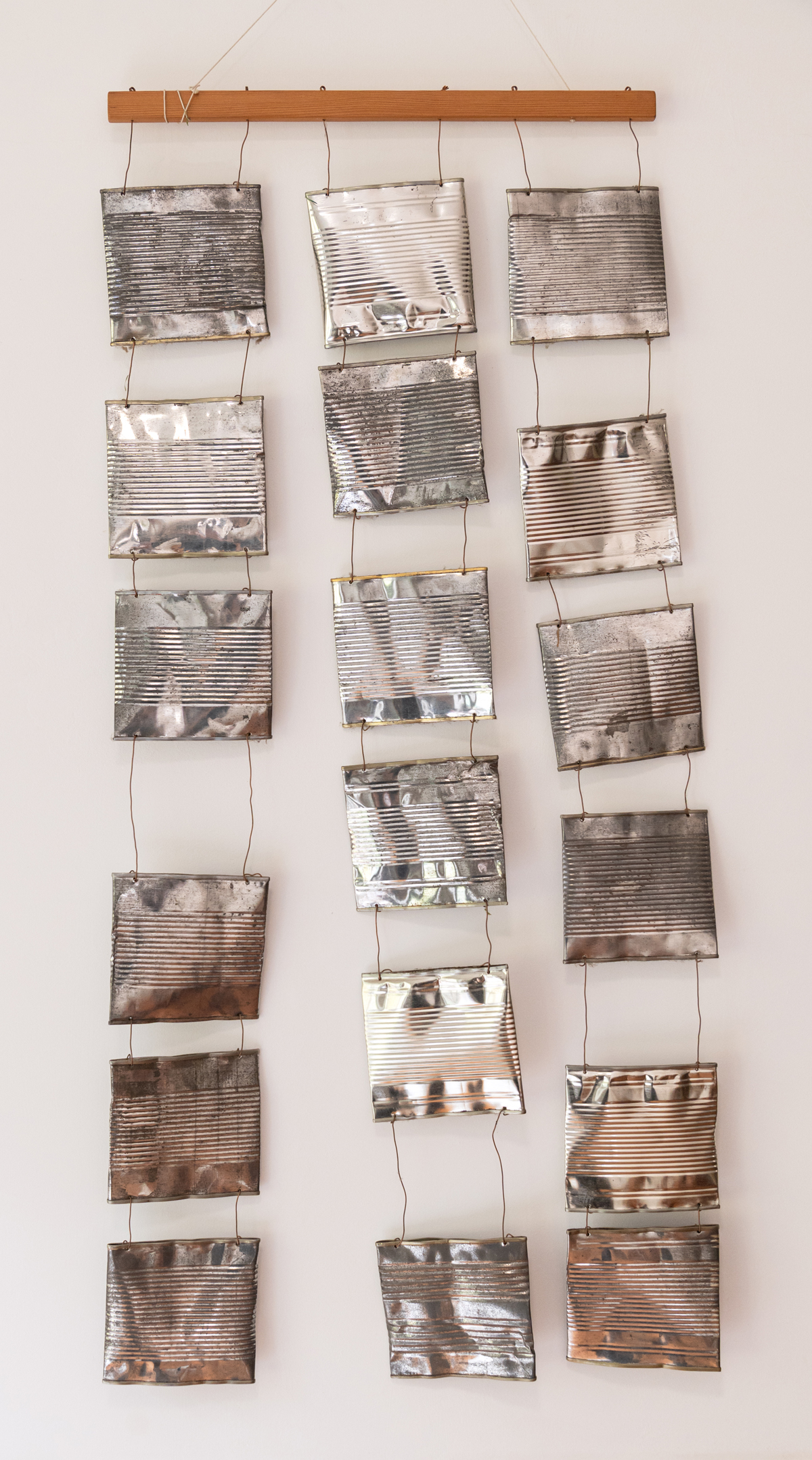
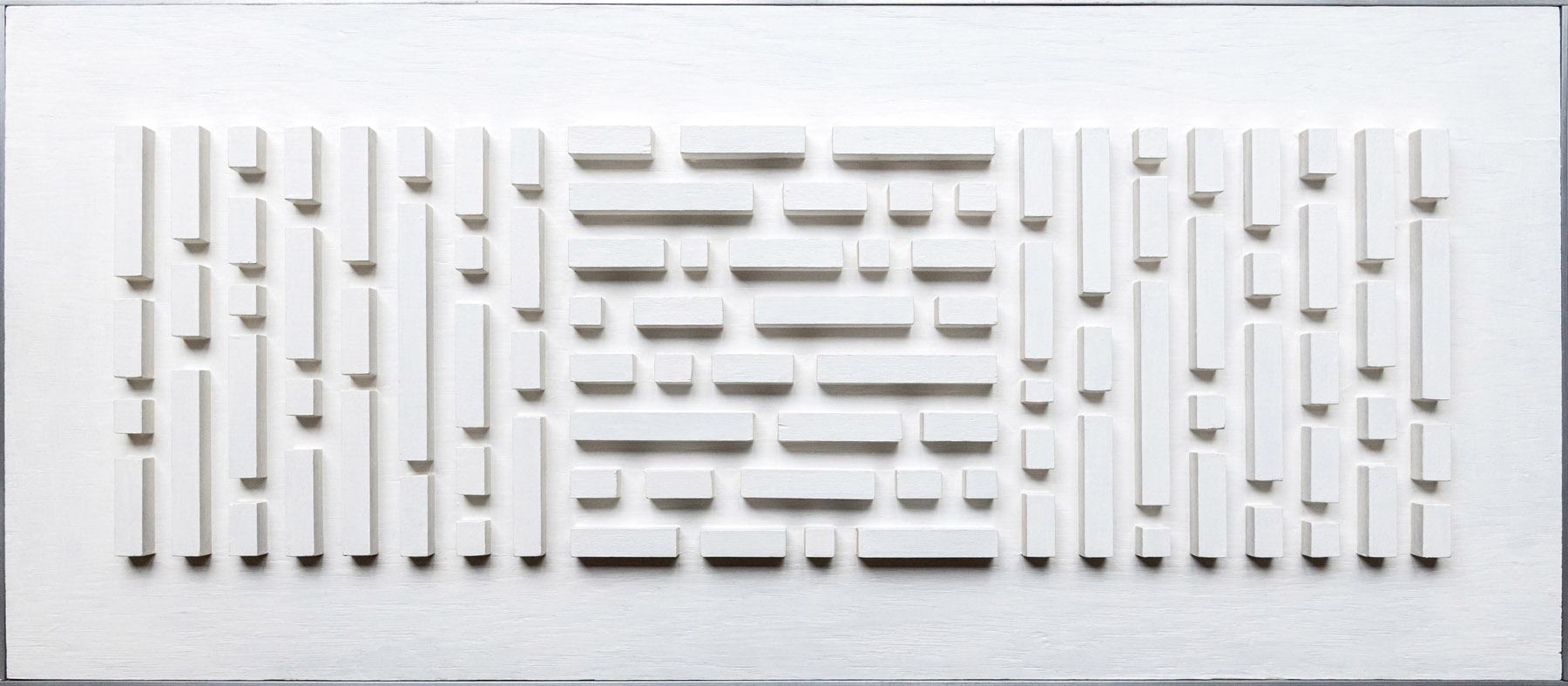
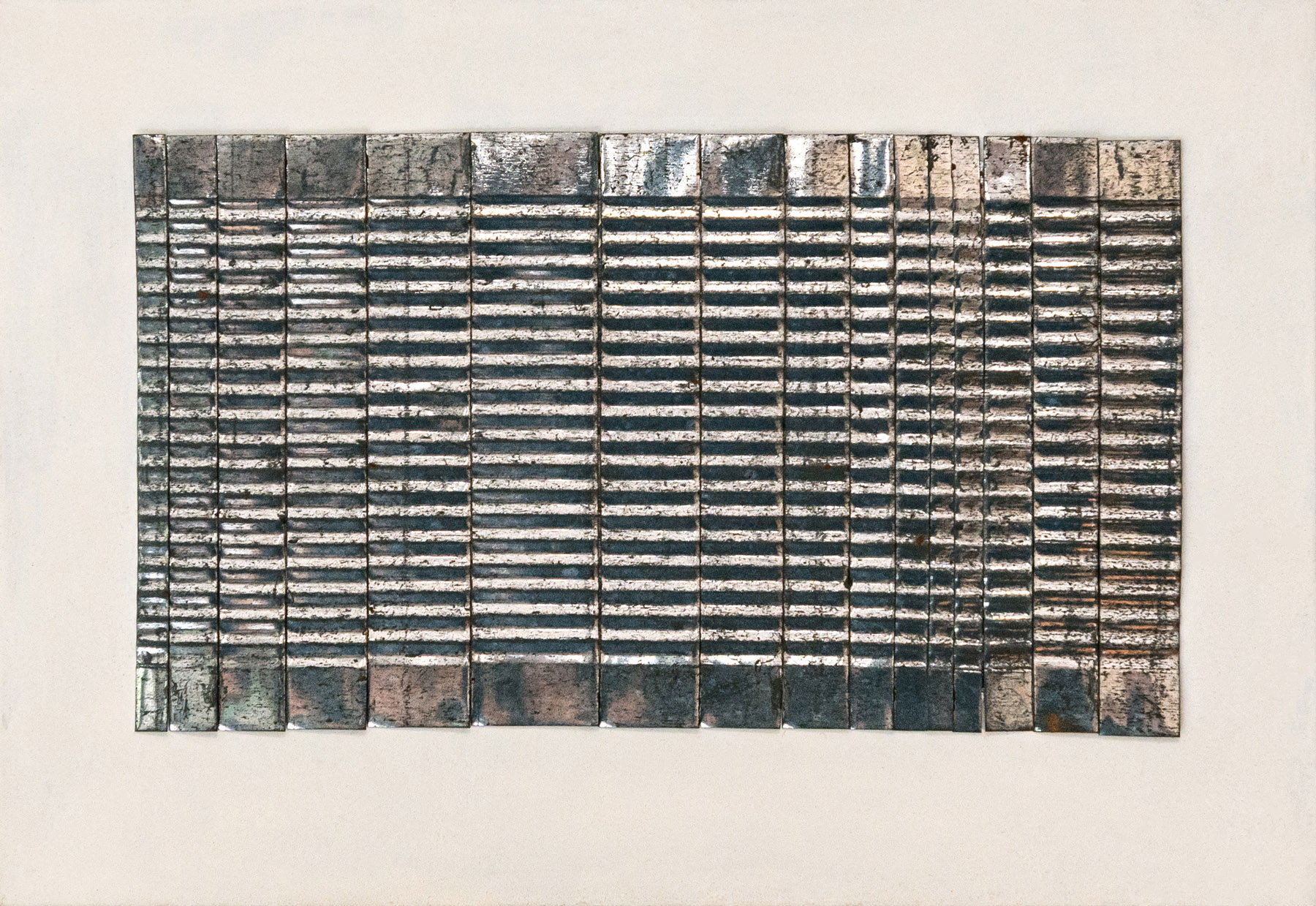
The work is very much in the spirit of mid-century modernism. Clean lines, often minimal yet, with Annibal, beautifully crafted. Colours are restrained with white featuring often – one might be tempted to link this with the whitewashed cottages of the Algarve. Some pieces are large given the confines of an average sized house, but there is a collection of smaller pieces which must surely be ideas for much larger sculptures and beg to be realised on a larger scale. Anibal’s family have a few of his pieces but most of this later work is in Annibal’s house where he left it. He was always working on new pieces and almost every room in the house contains some work with most of the wall space taken up. In his later years he seemed reluctant to part with any of the work, perhaps it helped him look back on his creative life and keep the artistic spirit alive till the end.
The house is not open to the public and the collection will be dispersed with proceeds to Claire House. However, if you would like to know more about Annibal, please contact Paul Gatenby at pg.sculpture@yahoo.co.uk
—
Words, Paul Gatenby
Images, Jazamin Sinclair