

The late 1800s and early 1900s are an eye opening period if you want to understand Japanese influence on modern (modern with a pinch of salt) British art. It’s the same across most cultural fields.
One of the most famous examples, the Japan-British Exhibition in 1910 was a massive commercial event, introducing art, gardens and music. The impact of that as the first major public display of its kind is still felt in contemporary creativity.
Echoes of a Floating World, a new exhibition at Williamson Art Gallery & Museum explores that influence through its extensive collection of Japanese Ukiyo-e prints, alongside work by local artists from the 20th century, who were all, in some way, influenced by this tradition of wood block, and representing floating worlds.
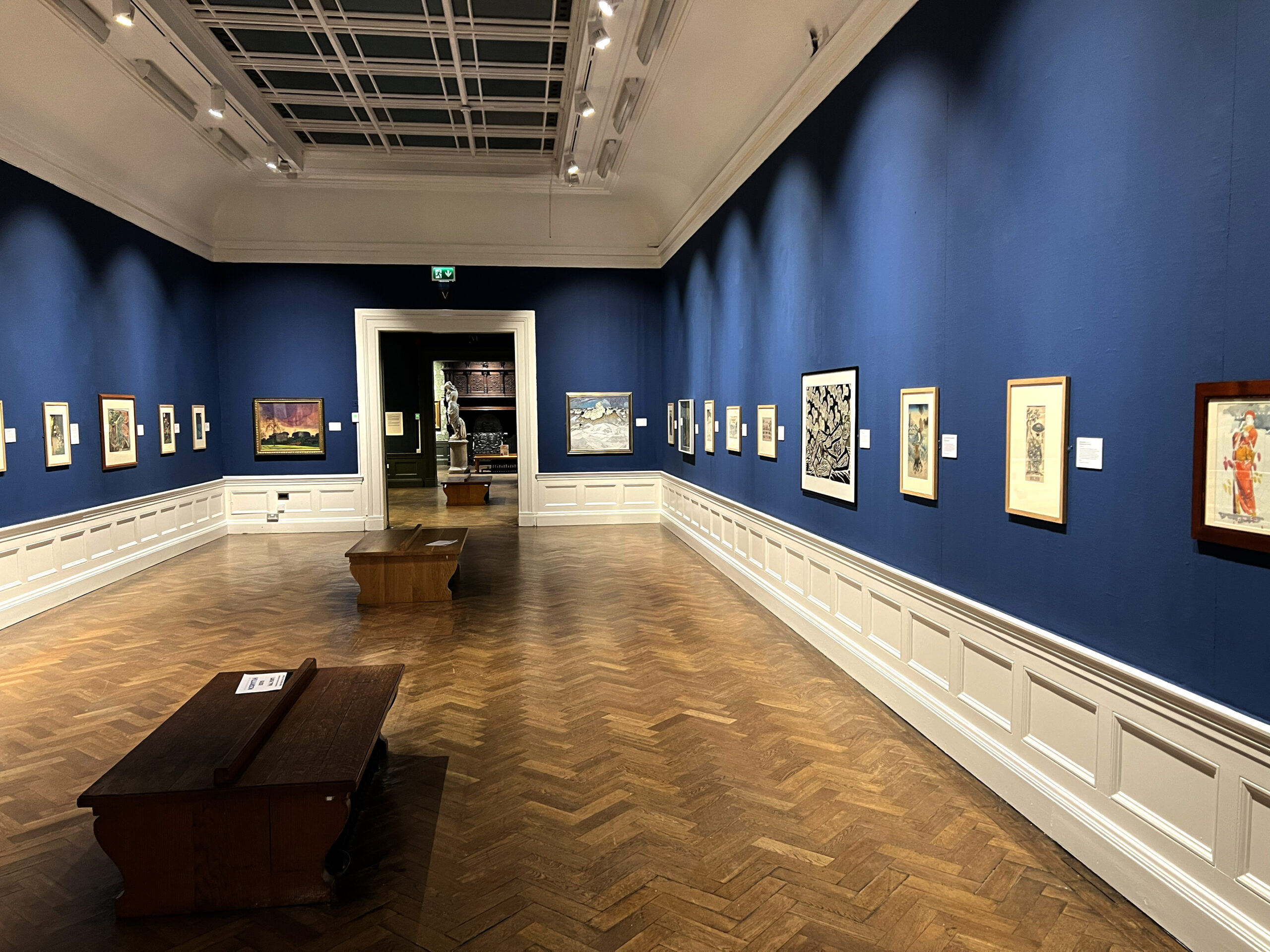
You’re all thinking Hokusai, and yes, there are Katsushika Hoskuai prints in the show, but it’s interesting to see the breadth of thought behind the genre, which views floating worlds beyond just water.
Floating space, colour and composition are the main identifiers of these works, and in some cases, you can really easily understand the influences of Ukiyo-e art on the British artists in this exhibition. In others, its harder to find, but its dug out, either through tenacious detective work, understanding artists who collected and were quietly influenced, or by sourcing artists who expressly stated that Ukiyo-e informed their practice.
I like this show for a few reasons, but mostly because its just a bit clever. The way influence is defined allows for a more open exploration of the theme, and prompts viewers to see the whole show from an art historical perspective, rather than as single-minded visual masterpieces.
—
Echoes of the Floating World is open at Williamson Art Gallery & Museum until 24th December 2026
Words, Kathryn Wainwright