I vividly remember this one exhibition at Tate Liverpool from the early 2000s – Bruce Nauman, ‘Make Me Think Me’. I was probably fifteen or sixteen at the time, and I just remember this overwhelming feeling that this was what I wanted to do. This was the world I wanted to be in.
It was a form of expression that I hadn’t come across before. A way of screaming without being a burden.
To say that that was what was invoked by the British Glass Biennale might seem odd, but its because I was acutely aware of the roots of my inspiration that day. That was inspired by this show. Because regardless of the context or content, this exhibition has those tools to inspire people.
I can picture groups of students trapsing through, feeling unsettled, or unfamiliar with the gallery, and being captivated by the work. Yes, because they’re stunning, but not just.
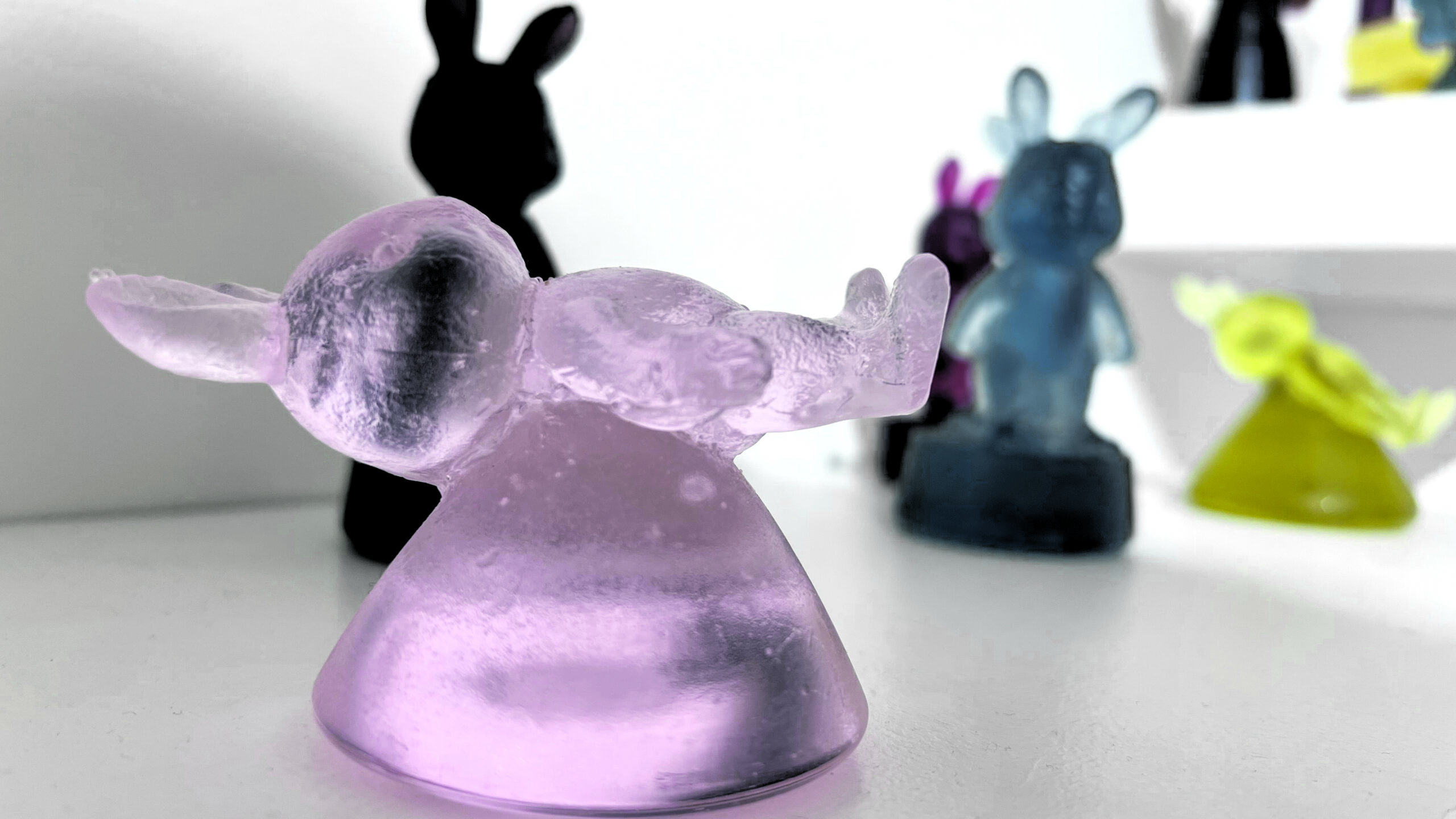
In so many of these cast, blown, and stained glass works, are stories. Artists have let something flow beyond themselves into a work that just sits there, ready to be digested.
Nothing about this show reminds me of Bruce Nauman on paper. Nothing should. But one or two works at The World of Glass go so far beyond the decorative, that they will absolutely inspire somebody into a life of dissecting ideas, as an artist, a curator, or an observer.
Screaming and releasing might not feature heavily here, but there is an emotional range, from quaint and quiet to frustrated and reflective. The works celebrate every part of life, and are submitted from across the country. On paper, it’s the sort of show I usually struggle with – joined by a medium but with no real story to tell. On the wall and in the room its just spectacular.
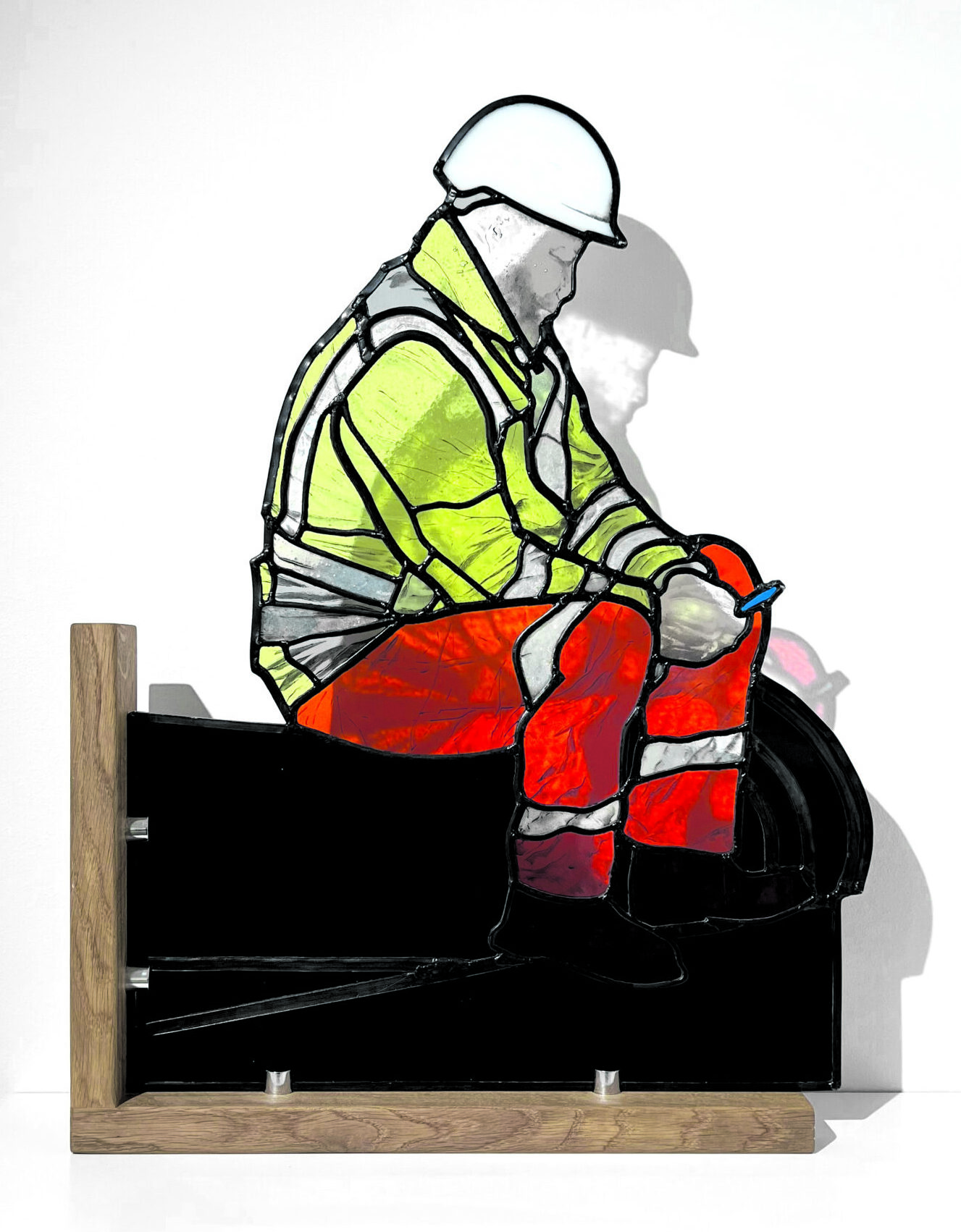
There’s one work, by Laura Kreifman, ‘Douglas’, which uses traditional and contemporary stained-glass techniques to capture Doug, a Southwest Water worker, who was working on the artist’s street at the time. Over nine months of waterworks, Doug (real name John), become part of the neighbourhood and, over those nine months, the artist managed to capture him as a human being; friendly, focused, familiar.
And I don’t know why, but it’s resonated. The fragility of the material, and the quality of its shadow, the care in how he is painted. It just does something magical to transform the entire gallery. It’s not the only work like this either.
There are others, equally contemporary, equally personal, that show how impactful glass can be. Perhaps it’s the very specific way light interacts, but then there are incredibly matte works where light seems to stop dead on the surface, and the texture becomes their key.
It’s also probably important to say that this isn’t just cast, blown, stained glass. The exhibition and the biennale don’t feel restrictive here. There are assemblages, and collections, where glass is central to the work, but where the artist hasn’t built their ideas into a craftform.
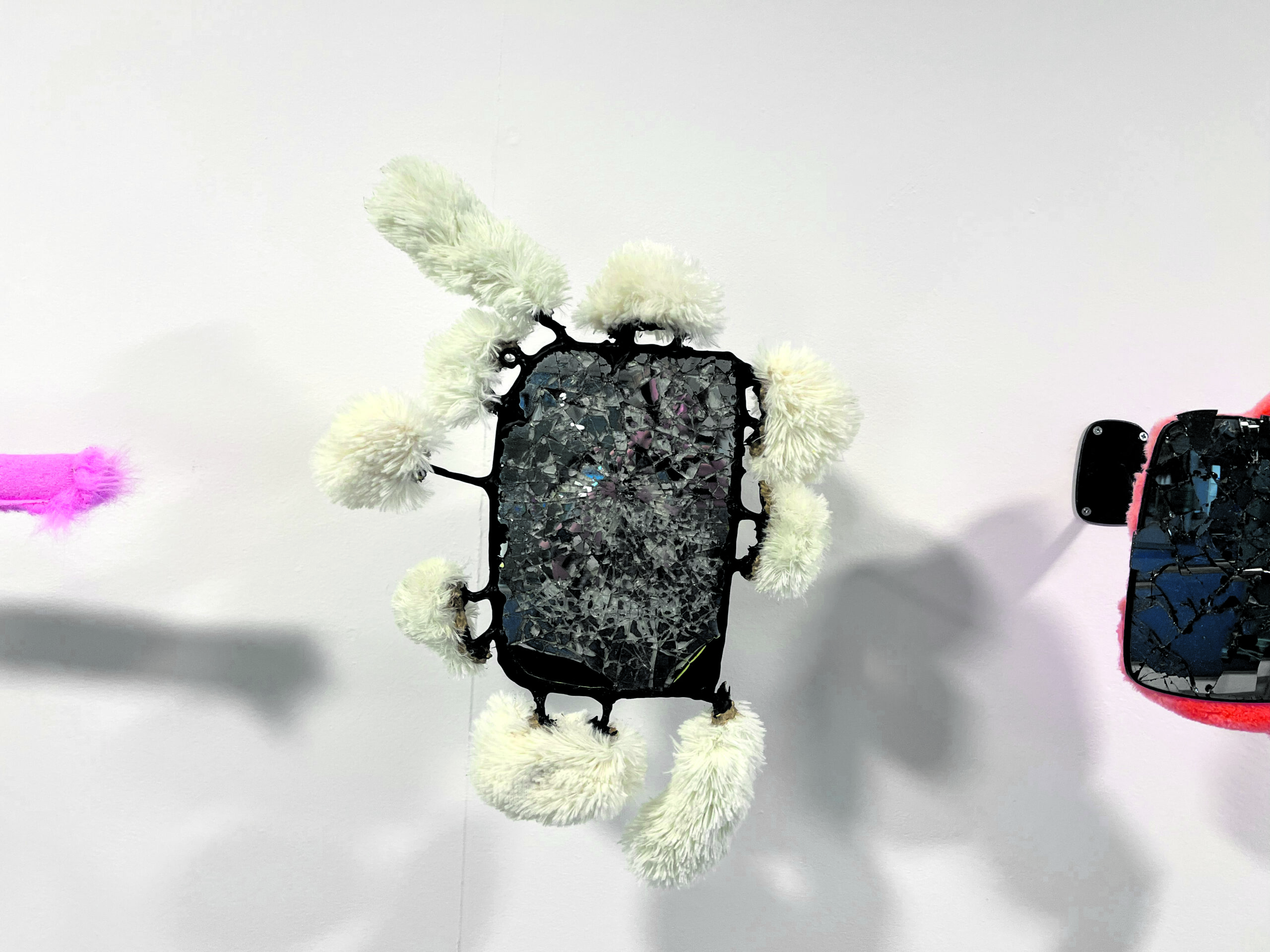
In fact, the very first piece you encounter is a collaborative work by Gayle Matthias and Rachel Darbourne. ‘Imaginary Order’ comes from contemporary art, much more than from craft, but appropriately addresses both in its result and its process. Behind the work is a mountain of research, evidenced in published journals and live presentations since 2023. The work comes from explorations of waste, reappropriation, and the nature and history of collaboration.
Those assembled objects and shattered mirrors introduce this exhibition of glass in all its forms. As a result, you’re not chin rubbing over skill, you’re looking beyond the objects. The fact that the objects happen to be beautiful are secondary to a gallery filled with stories incidentally told in glass.
—
The British Glass Biennale 2026 is open at The World of Glass until 1st November 2026
Words, Patrick Kirk-Smith