
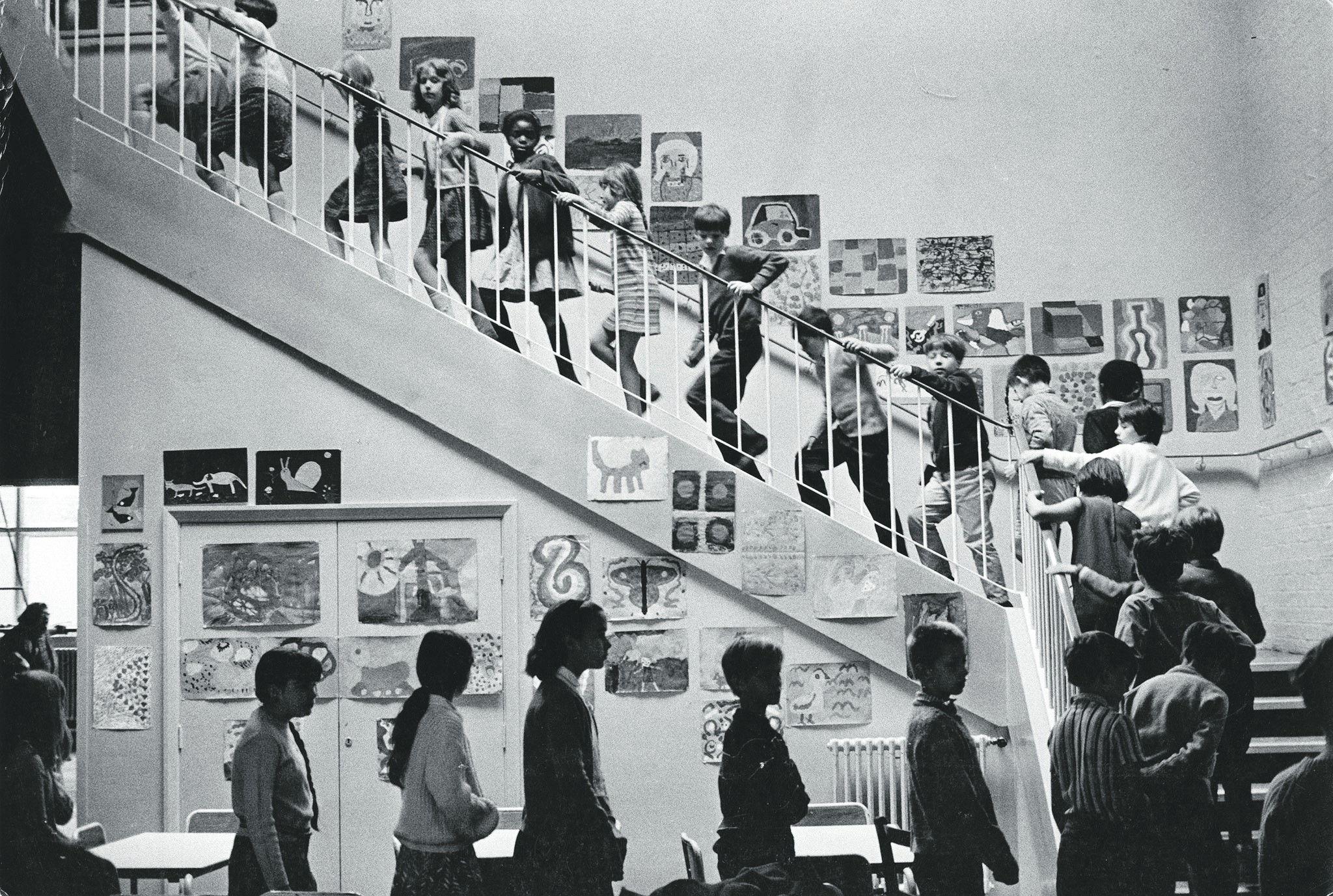
In 1969, following years of frustration and disappointment at the unrealised post-war dreams of a new, thriving Britain, powered by new housing, and inspiring building, The Architectural Review published a series of special issues; Manplan.
The agitated ambitions that could have created a society that felt buoyant were left stranded, so in a series of radical and political writing, the magazine drilled through not just the problems, but the solutions. Both what was promised, and what was never on the table.
Across eight issues of the magazine, through photography and text, the basic tenets of architecture were used to frame arguments for societal change.
This exhibition sets those arguments out against each issue, and demonstrates them using archive photography from the guest photographers at the time.
The first of the eight was titled Frustration. It set the tone for the series that followed, and captured the mood of the nation. Photography in the issue by Patrick Ward, charted one month of frustration; queues in shopping centres that could have been designed away; traffic that was a result of poor planning; poverty worsened by built conditions.
Without any of the rest of this show, that’s the message. Architecture (civic, social, human) is responsible for so much of our life. It either restricts us, or frees us.
By explicitly documenting these seemingly minor irritations, The Architectural Review made an argument for causation, not correlation. They evidenced that these weren’t minor, everyday irks. They were systemic, caused by poor planning, and rushed, or unfulfilled, development.
Once they had the base of their case out of the way, the editorial team started to break down issues into more specific groups. And rather than solely criticise, present flaws as routes to solutions.
Not all of them had an impact, but even those remain strongly argued today: school uniform notably featuring in issue 4, ‘The Continuing Community’, which pitched to look at school design, but veered into controversial territory by criticising school uniform, particularly in elite schools as an arbiter of the class system, and an unnecessary barrier to access. The driving argument wasn’t uniforms, it was that schools shouldn’t close their doors. They should be a more integral part of social architecture; remaining open for the community beyond school times. For the most part, that hasn’t happened, but the themes of this issue are still passionately debated now.
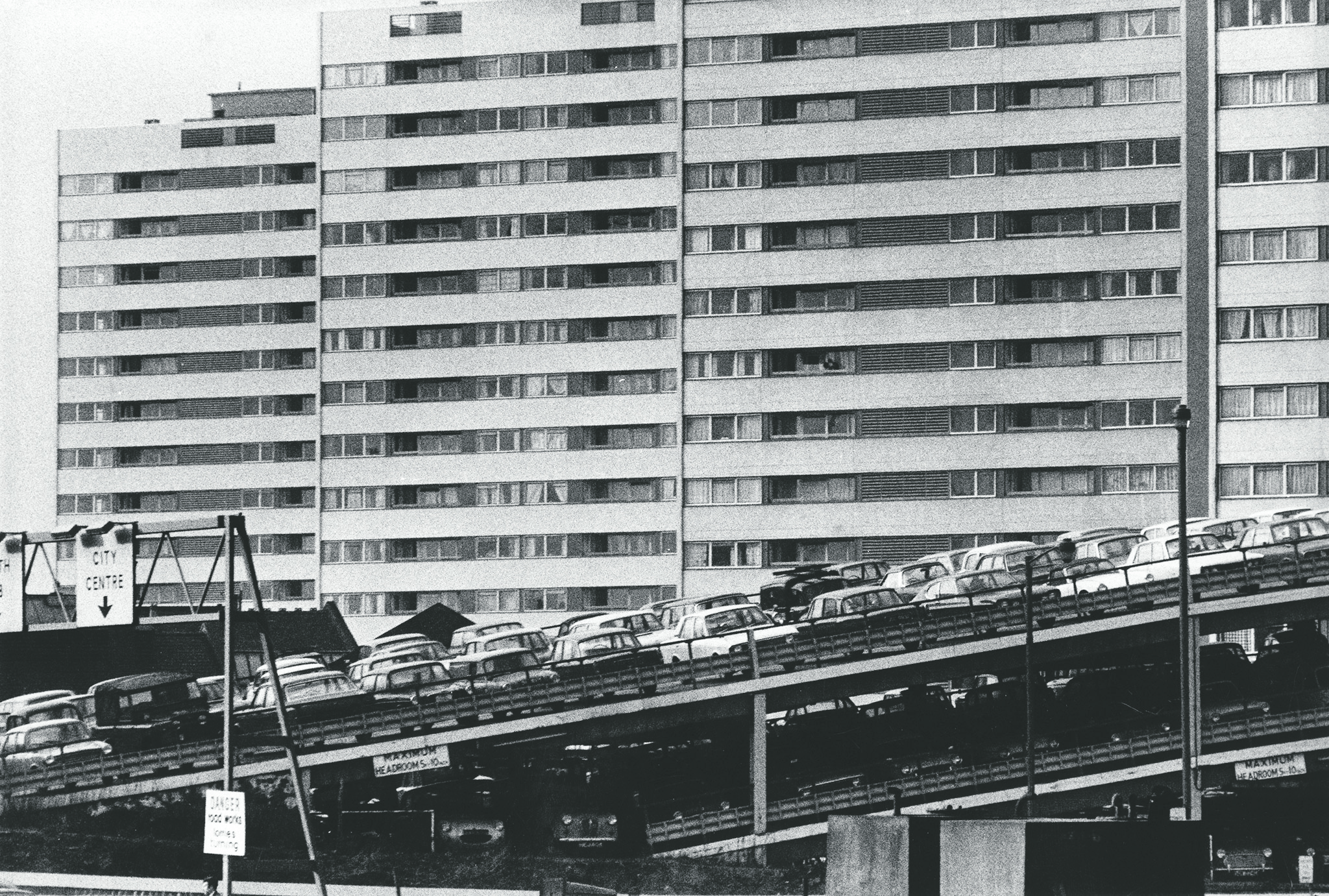
From start to finish, the entire series, and the photography that defines it in this exhibition, encapsulate the challenges of post-war Britian. Not the immediate aftermath, but the results of political failures, in the time it took them to manifest.
I’m not in that world. I can’t claim to understand the outcomes of the publications, but I know that I feel some familiarity with what drove those issues, and that the cases they put at the time feel almost staple to today’s planning. Regardless of outcomes though, seeing this as a snapshot of a society’s frustrations is enlightening. Seeing architecture as radical in such objective terms is exciting, even if it is historic.
This feels like RIBA North at the top of their game. Somewhere between art, history, and architecture, and it doesn’t really matter where the line is drawn.
—
Wide-Angle View runs at RIBA North + Tate Liverpool until 1st November 2026
Words, Patrick Kirk-Smith