I interviewed Adrian last month before this was all installed, so I couldn’t resist going to see it. I almost accidentally interviewed him again while I was there but he was in the middle of a well-attended group tour of the exhibition.
So, a review of an exhibition I know tons about but haven’t seen. Feels odd to write, but here goes.
The Portrait Paradox is a well titled; an exploration of why portraiture both can and can’t be a perfect representation of a sitter, and why an artist’s perspective can make or ruin the presentation of the subject, and why the subject can change the sitter, and why the sitter can or can’t have everything or nothing to do with the subject.
It’s a chaotic argument about a largely unanswered question that’s faced the art world since the first marks were made.
So to see it asked and even partially answered in an exhibition that draws on archive to inform the curation of new objects is exciting.
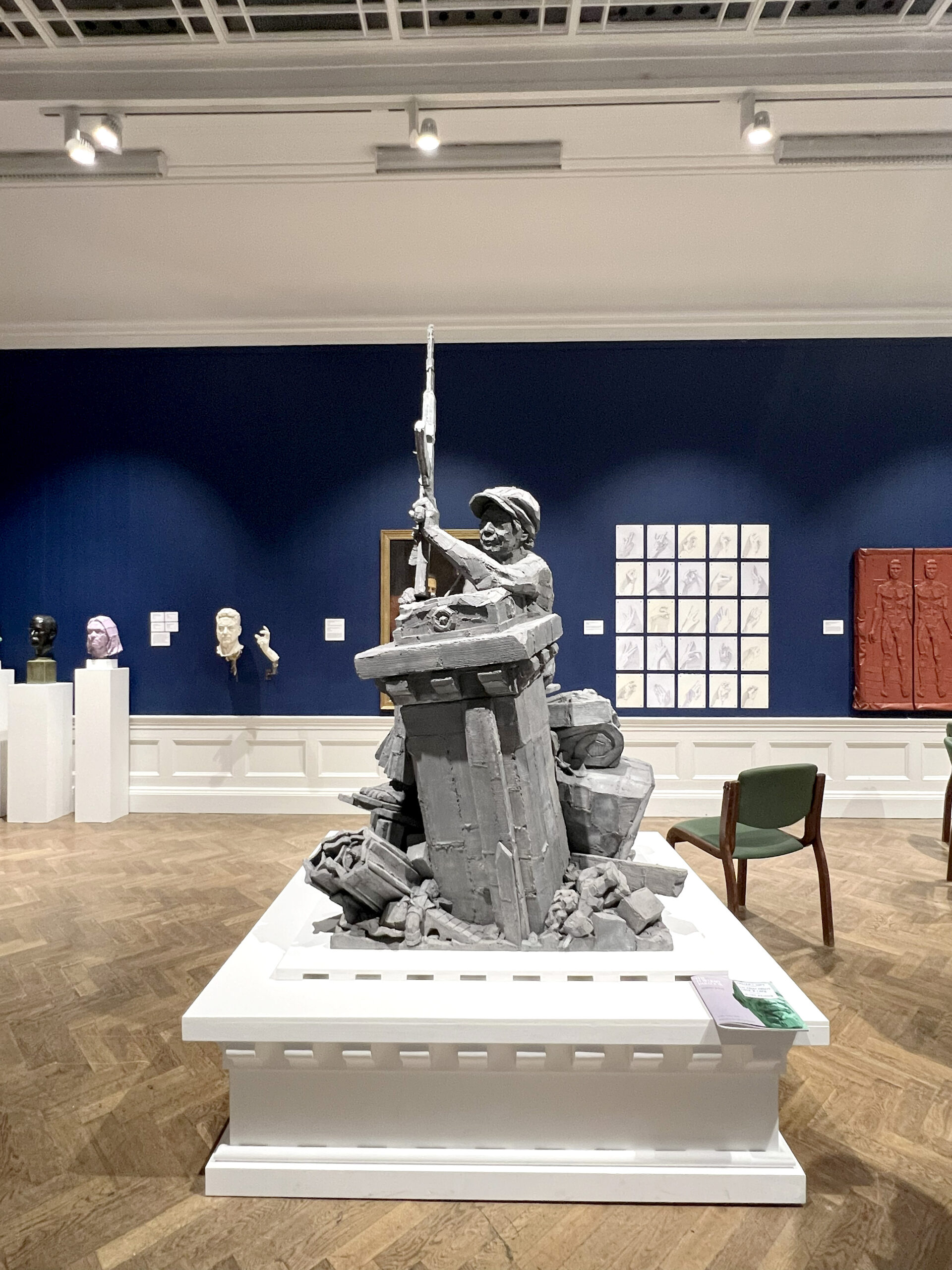
Adrian’s own sculptures build the bones of the exhibition, each revealing some sense of the artist’s drive towards understanding why he practices. They range from playful one-liners, represented in plaster, to life-size models of Sue Lee, one of Liverpool’s most respected and loved life models, who sadly died a couple of years ago.
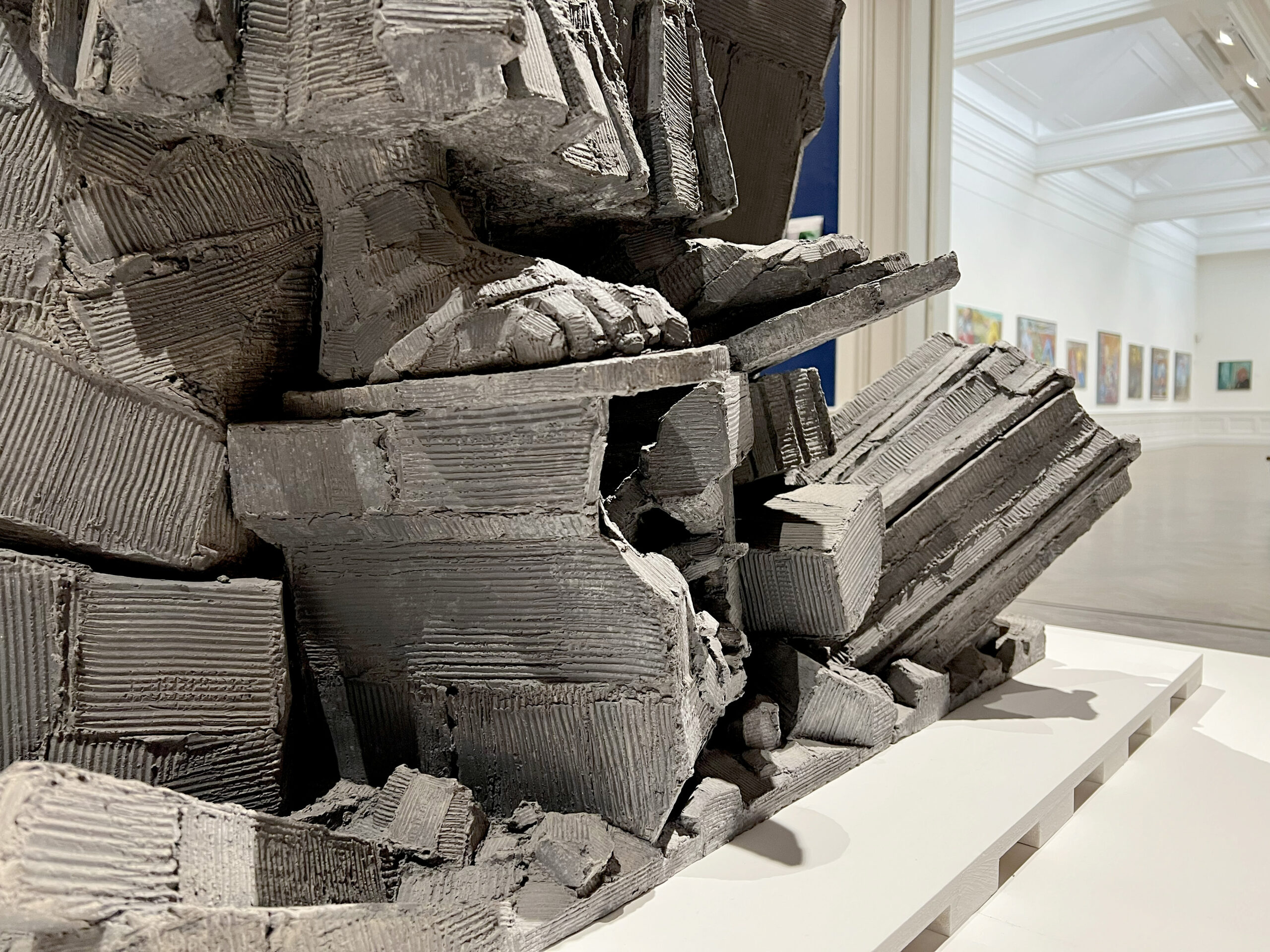
All are perfectly observed, scale representations of their sitter, but rendered with hundreds of scratchy reliefs that reveal the artist’s hand.
These works are displayed alongside paintings from the Williamson’s own collection, some which have never seen the light of day, and in different states of repair. The connections are told briefly on the walls, but left vaguely open to interpretation, so you can, if you choose, decipher the reasons for linking the first lady mayor of Birkenhead with Sue Lee, or you can follow the clues laid by Adrian Jeans.
Take a step back from your own ideas about why artists make art, and instead, approach this exhibition as an explanation of that process.
—
The Portrait Paradox is open until 9th April at Williamson Art Gallery & Museum
Words, Patrick Kirk-Smith