
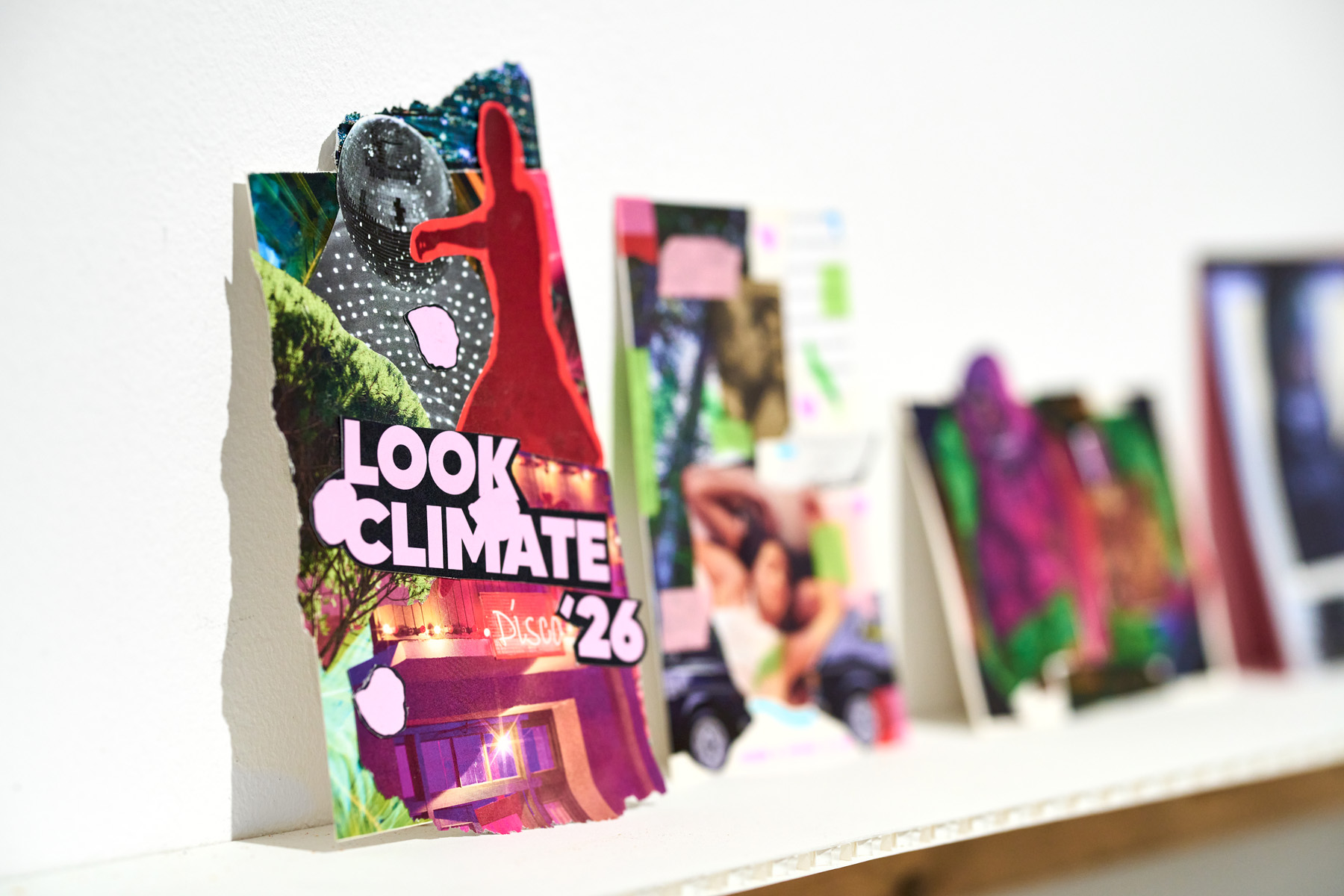
Every two years, Open Eye evidence how collective action can shape public and industry perception, production, and activism. This year, it’s through the prism of gardens; what we use them for, how they instigate change, and what we mean when we talk about them.
Gardening, if you’re into it, shapes your life. Holistic approaches to health are dramatically affected by it, but your garden, shared or private, also impacts others.
At the cusp of Knowsley, Court Hey Park has always offered public gardens that stretch the duty of gardens, and now, through Incredible Edible, feed the body and spirit of local people. Squash on Windsor Street has its garden at the centre of every plate they serve. Mrs Cross, who lives at the back of ours spends her days staring into it, borrowing our bird feeders for her own wellbeing.
Most of those gardens are designed to support nature, not the climate. It’s far easier to process the impact of a hedgehog highway, or of adapting bird feeders. It’s less simple to plan for a garden that captures carbon, manages surface water, or meaningfully impacts how many tons of food waste leave a street.
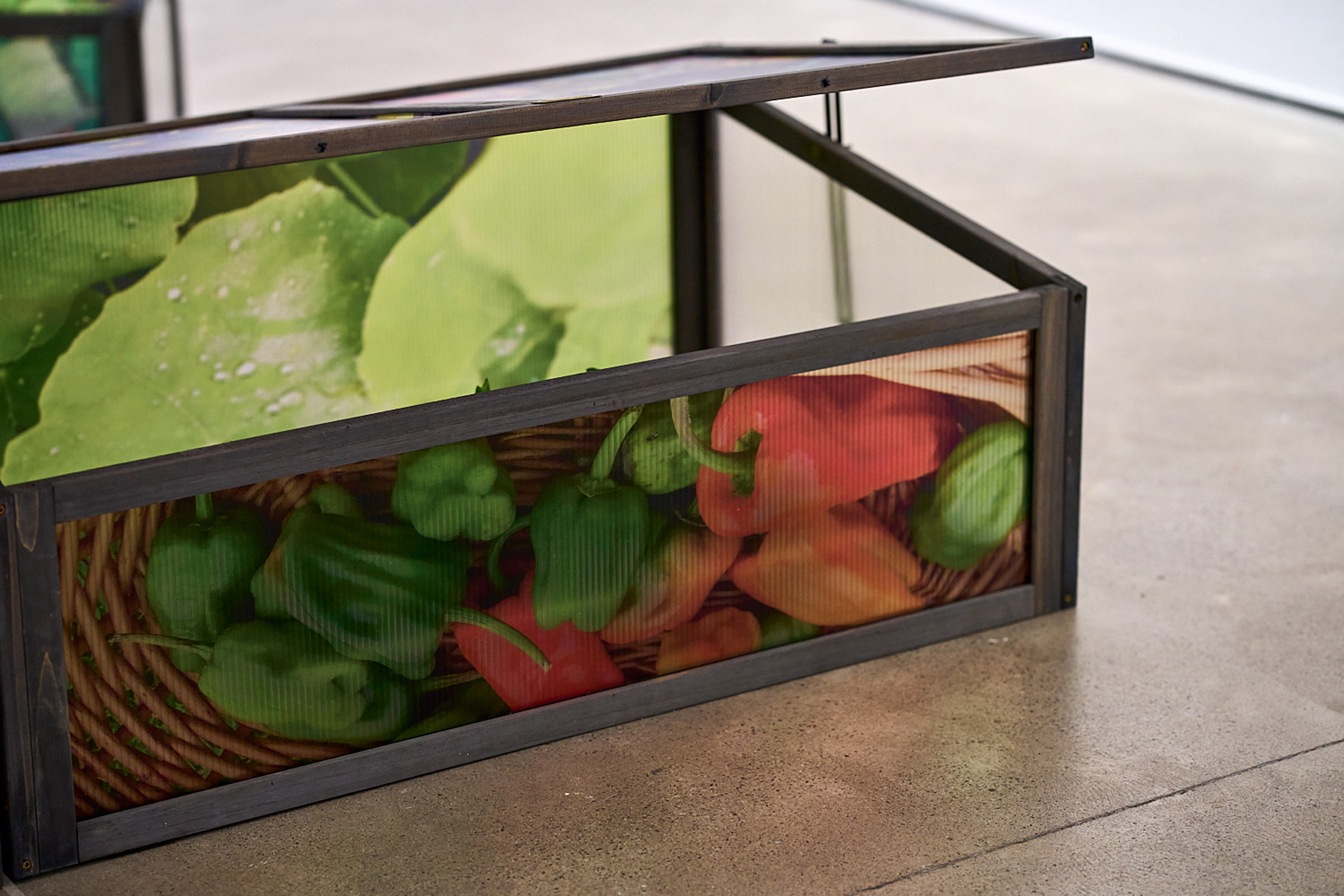
Seeds of Change, the project by students and graduates from the University of Salford, has the most relevant title here. Because LOOK isn’t a template for change, it’s evidence that it’s easy to start.
Seeds of Change sees students and graduates for the university working with Open Eye Gallery and Plantit Landscape Architects to design a series of garden-artworks. The sustainable spaces are proposals here, in the gallery, that you can actively shape. The outcomes are hoped to help passers-by reconnect to land. The process, and the build, and everything up to the point of creation are where the climate action comes in.
Even here, at consultation stage, proposal forms are filled in on sheets of handmade paper. It’s hoped that the outcomes not only live sustainability in their chosen sites but inspire others to follow suit.
Perhaps its too soft an education, but we know from current political discourse that there is deep reticence to adopt personal climate pledges, and anger at change that could support long-term carbon capture, and carbon-use reduction. So yes, these project are soft change, and they rely on engagement, but where science fails, sometimes activism wins.
Paul Harfleet’s Pansy Project, which the artist has been running since 2005 is reactionary activism. The outcomes are gentle; the politics is not.
At sites of homophobic abuse, the artist plants a pansy. There are over 300 of them planted around the world. Some might survive; some might not. They’re in cracks in pavements, road verges, wall crevices and park beds.
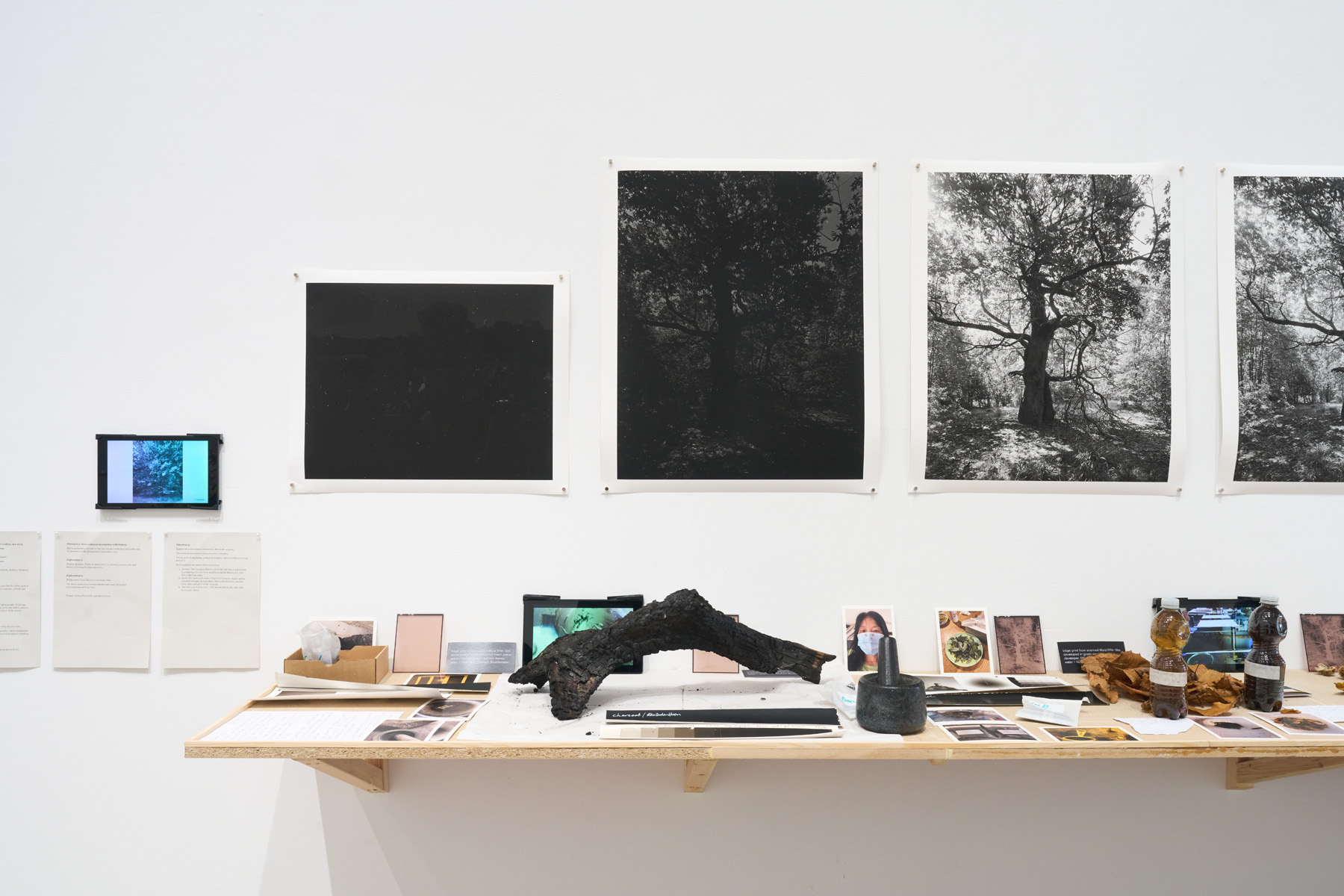
The diversity of the planting reflects the diversity of the assaults, abuse and events that inspired it. Each event is a memorial and a reflection. In Huyton, one was planted in memory of Michael Causer, attacked in his sleep at a house party in 2008, aged 18, because he was openly and proudly gay.
The impact of the project has been widespread and had a resurgence in 2022 after featuring on Ru Paul’s Drag Race Uk (courtesy of Cheddar Gorgeous).
This isn’t environmental activism, its just activism that uses nature as a healing tool.
I guess Open Eye are suggesting that each pansy is a memorial garden, however transient. And that memory of that garden might inspire planting in another’s memory. It might be temporary, it might have more permenance, but the sentiment is the same, and the inspiration is useful.
As I entered with, this isn’t necessarily an exhibition teaching you how to change the world. It’s a series of gentle acts that document how others have used nature to heal themselves, and possibly how by practicing that form of healing, we can support nature in return.
There is a programme of weekly events throughout LOOK, including public forums on culture’s approach to climate action, talks and film screenings approaching international habitat loss, and a mix of meditative and healing talks and performance events to guide audiences towards new approaches.
LOOK Climate Lab runs until 29th March at Open Eye Gallery
See www.openeye.org.uk for exhibition and event programmes
Words, Patrick Kirk-Smith